Understanding Your Sprinkler Controller
Learn how to program, troubleshoot, and get the most out of the "brain" of your irrigation system.
1. The Basics of a Sprinkler Controller
A sprinkler controller, or timer, is the electronic brain of your irrigation system. Its primary job is to tell each valve when to open and how long to stay open, ensuring your landscape gets the right amount of water at the right time. Understanding its components is the first step to mastering your system.
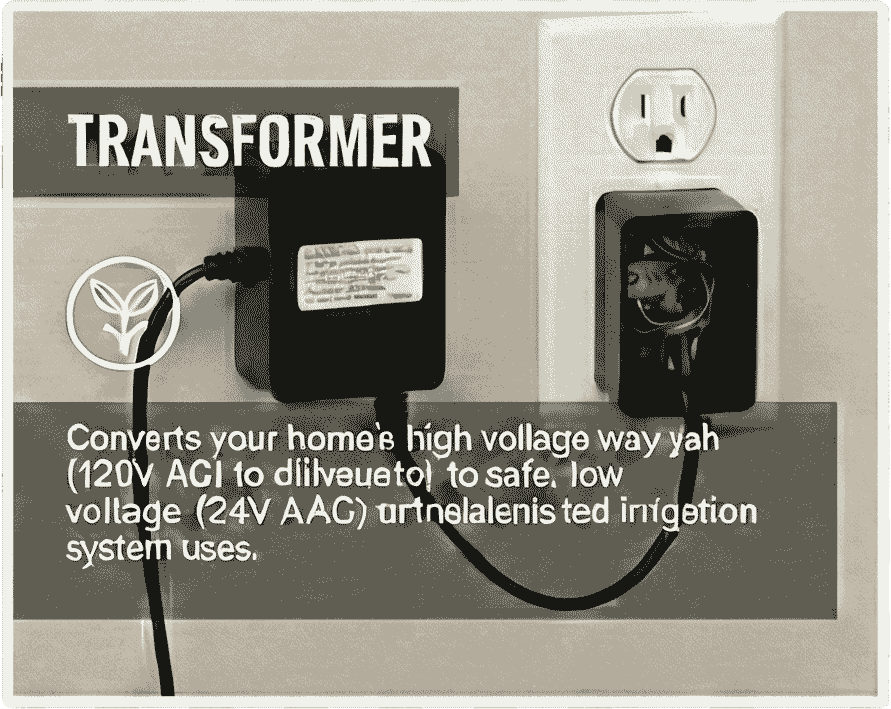
Transformer
Converts high-voltage AC power from your outlet to low-voltage power (usually 24VAC) that the irrigation valves can safely use.
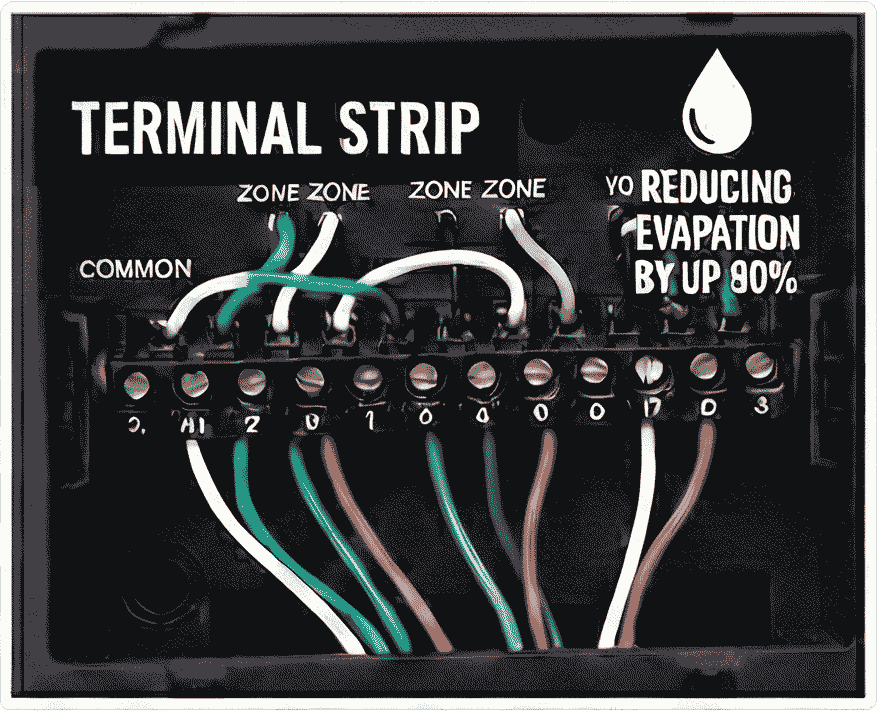
Terminal Strip
The connection point for all the wires. This includes the common wire, zone wires, and sometimes connections for a master valve or rain sensor.
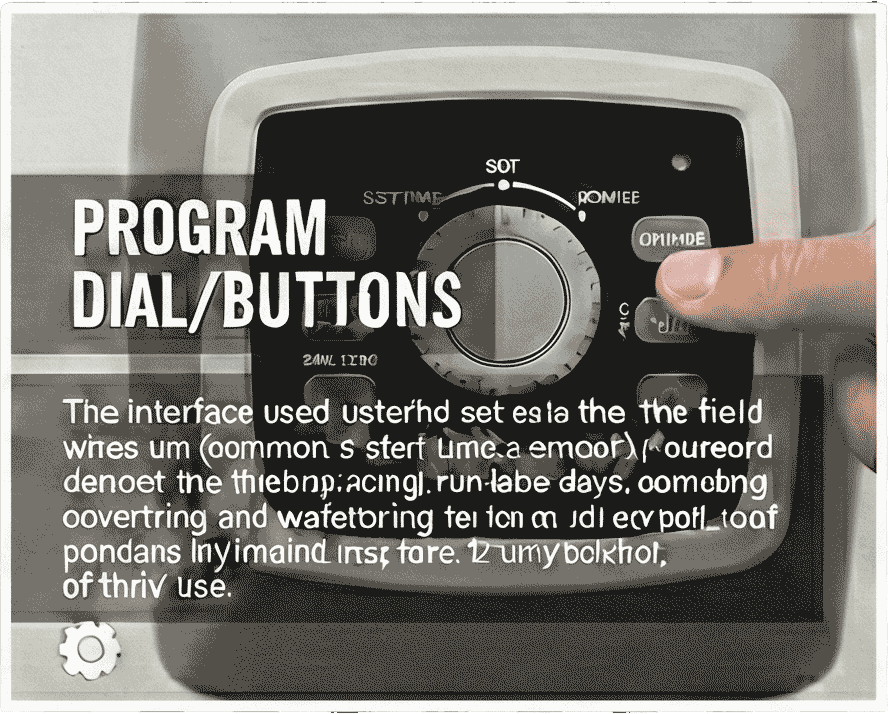
Programming Dial & Buttons
Used to cycle through programming settings like run times, start times, and watering days. Buttons are used to adjust the values for each setting.
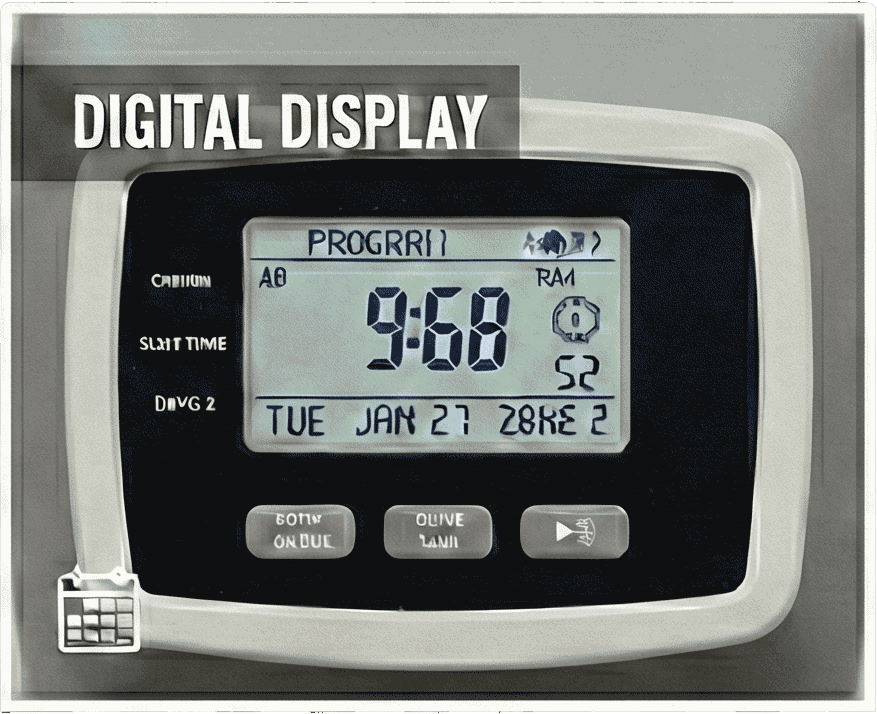
Digital Display
Shows the current time, watering day schedule, and programming information. Modern controllers have LCD screens, while older ones may have mechanical dials.
Key Terminology
- Station/Zone: A group of sprinklers that run at the same time, controlled by a specific valve.
- Start Time: The time of day the watering program begins. You only need one start time to run all zones sequentially.
- Run Time: The duration, in minutes, that each specific zone will water.
- Watering Days: The specific days watering is permitted (e.g., Mon/Wed/Fri, Odd/Even days).
- Common Wire: A single wire that connects to all valves, completing the electrical circuit for every zone.
2. Types of Controllers
Digital/Electronic
The most common type, offering flexible programming for start times, run times, and watering days through a digital interface.
Smart/Wi-Fi Controllers
These connect to your Wi-Fi to access local weather data, automatically adjusting watering schedules to save water. They also offer remote control via a smartphone app.
3. Programming & Special Features
While specific instructions vary by model, all controllers are programmed using the same three core settings: Start Times, Run Times, and Watering Days. Beyond the basics, modern controllers offer powerful features to help you save water.
Seasonal Adjustment
Also called a 'Water Budget,' this feature allows you to increase or decrease all run times by a percentage without reprogramming each zone individually. Perfect for adjusting to hotter or cooler weather.
Multiple Programs (A, B, C)
Allows you to create separate schedules for different types of plants. For example, Program A waters your lawn 3 days a week, while Program B waters your drip zones every other day.
4. Troubleshooting Guide
When a zone isn't working, the problem is often electrical. This guide will help you diagnose the most common controller-related issues.
Interactive Troubleshooting Guide
Click on a symptom to see the most common causes and our recommended solutions.
5. Safety and Maintenance
Electrical Safety
A backup battery (usually a 9V or coin-cell) is not powerful enough to run a sprinkler zone. Its only job is to save your program and the current time during a power outage.
Ready for the Next Step?
You've learned the essentials. Now, let's put that knowledge to work for your lawn.
Get an Instant Estimate
Use our online tool to get a free, no-obligation estimate for your sprinkler needs in minutes.
Request Professional Service
Know what you need? Schedule a visit from our licensed technicians to get the job done right.
Explore Maintenance Plans
Protect your investment. Discover our plans for year-round care and peace of mind.